

Piper Care Guide
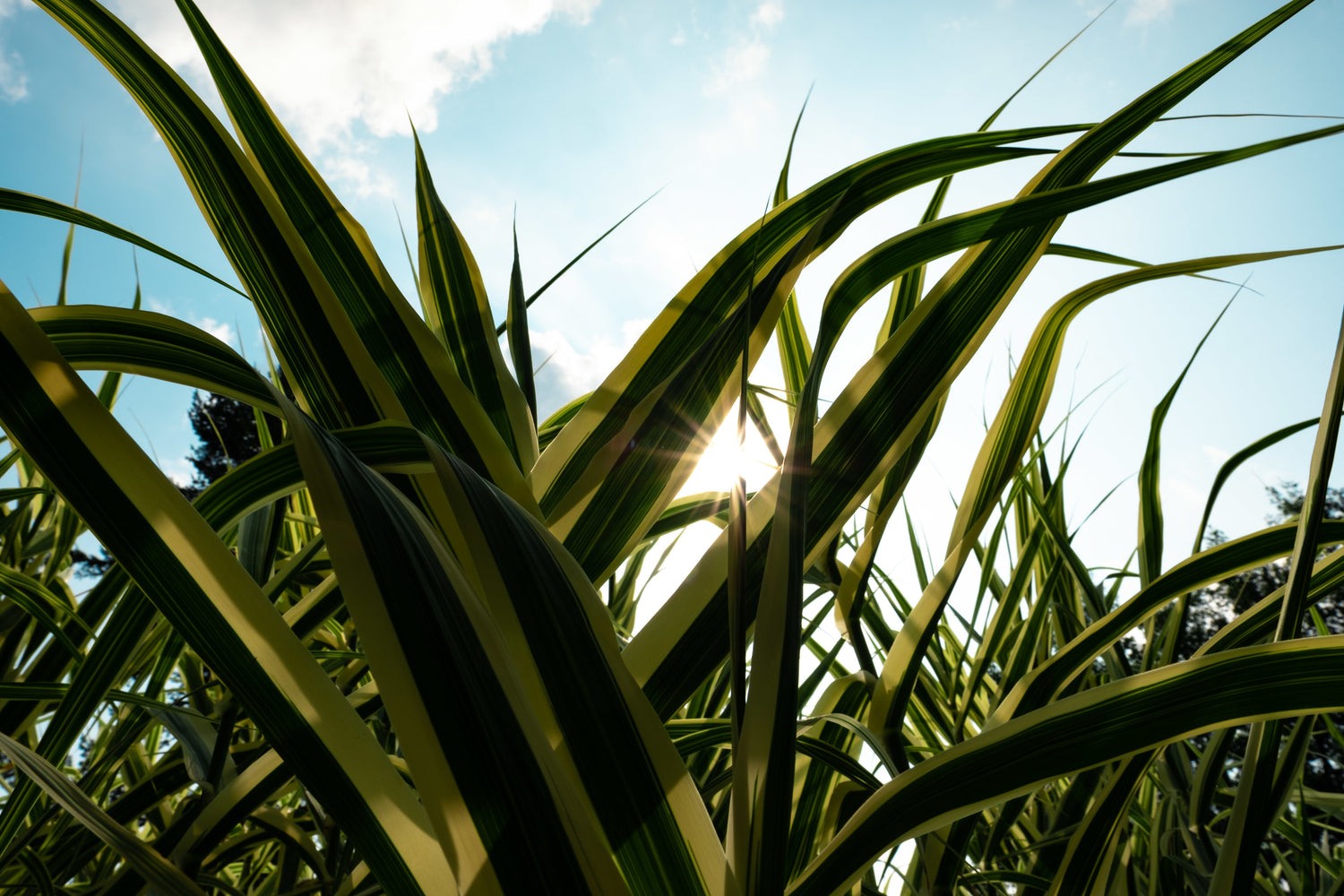
Sunlight
- Bright, indirect light: Place your Piper near a bright window with the strongest midday rays filtered by a sheer curtain.
- Watch the leaves: Faded or scorched patches can mean too much direct sun, while long gaps between leaves can mean it needs more light.
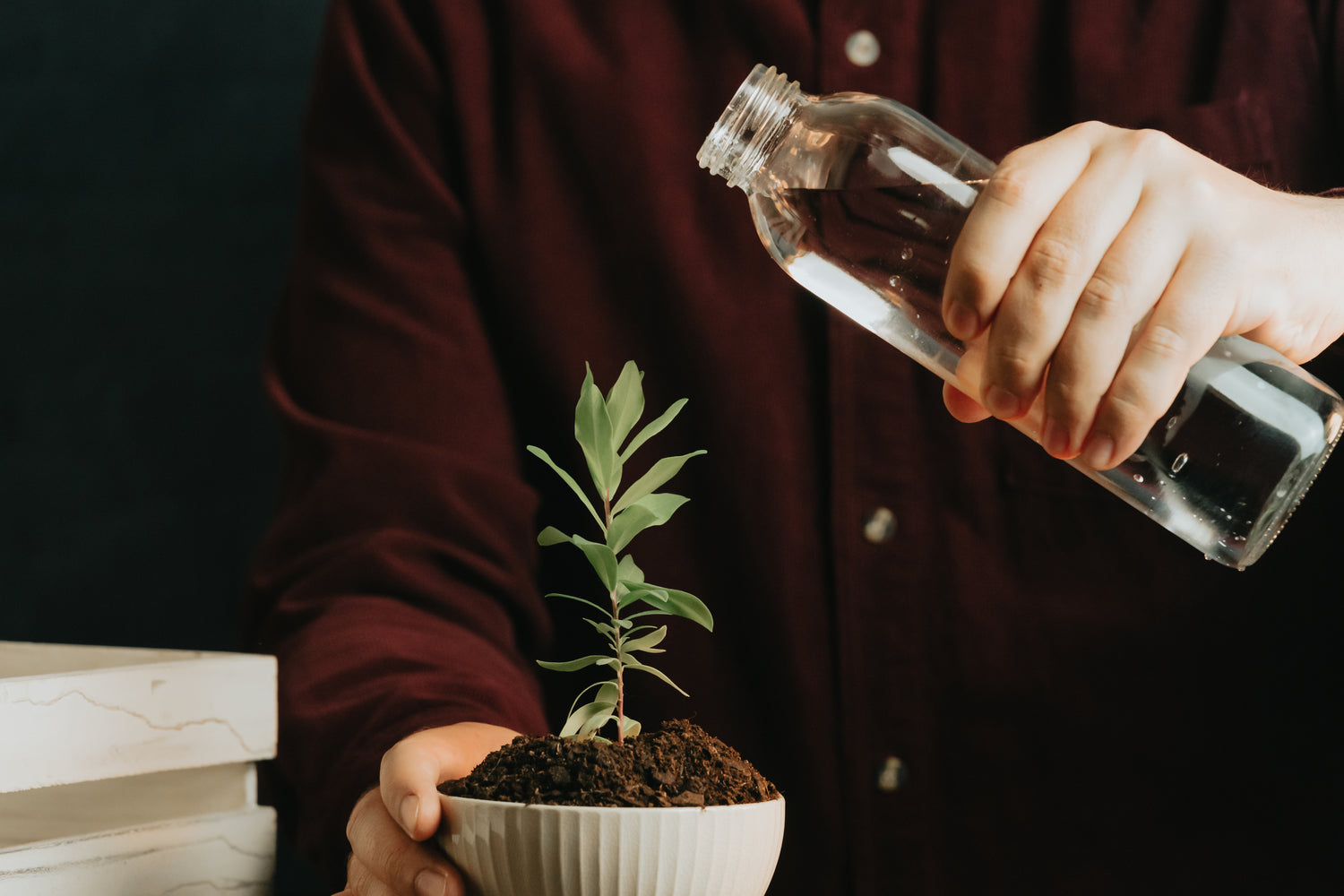
Watering
- Check before watering: Water when the top 2–3cm of compost feels dry.
- Soak, then drain: Water thoroughly and allow every excess drop to escape. Do not leave the nursery pot standing in water.
- Adjust with the seasons: Growth is slower in winter, so the compost will usually take longer to dry.

Humidity
- Moderate to higher humidity: Piper plants appreciate steadier humidity than the average dry, heated room.
- Create a stable spot: Keep away from radiators and drying draughts. A humidifier or grouping plants together is more reliable than occasional misting.
Temperature
- Warm and steady: Aim for roughly 18–27°C.
- Avoid chills: Protect the plant from cold windows, sudden draughts and temperatures below about 15°C.
Troubleshooting
- Yellow, soft leaves: The compost may be staying wet for too long. Check drainage and let the upper layer dry before watering again.
- Crispy or curling edges: Check for dry compost, low humidity or strong direct sun.
- Pests: Inspect leaf undersides for spider mites and thrips, isolate affected plants and treat promptly.
- Pet safety: Safety varies by Piper species. Keep it away from pets and children until the exact plant has been identified.