

Rose Care Guide

Sunlight
- Choose your brightest window: Roses flower best with around six hours of direct sunlight each day.
- Rotate regularly: Turn the pot every week so the stems grow evenly.
- Few flowers or weak growth: These are common signs that the plant needs more light.
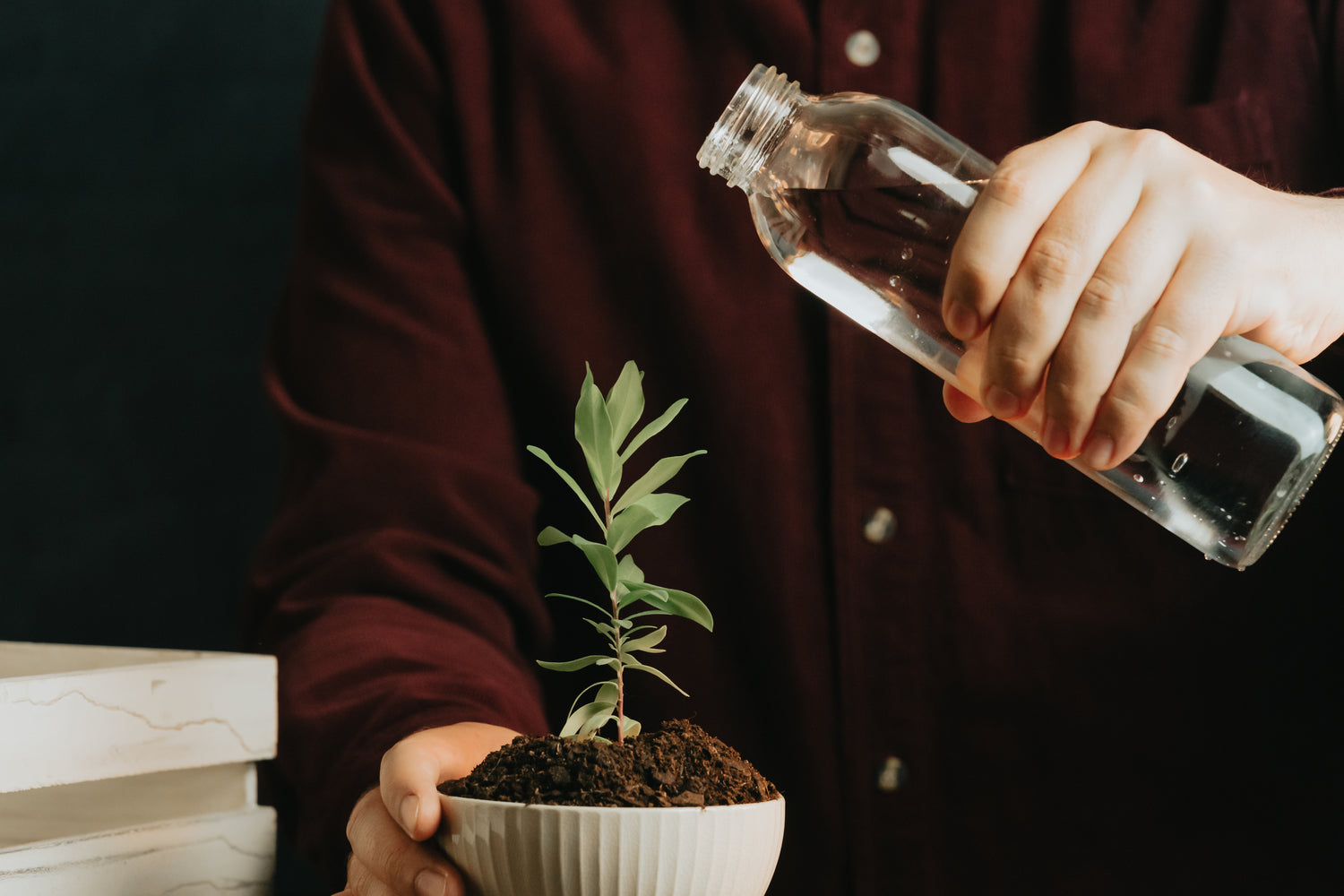
Watering
- Keep it consistent: Water when the top 2–3cm of compost feels dry. Small pots can dry quickly in warm, sunny rooms.
- Water deeply: Soak the compost, allow it to drain fully and empty the cover pot or saucer.
- Avoid extremes: Do not let the root ball stay waterlogged or dry out completely for long periods.

Humidity & airflow
- Normal home humidity: Roses usually cope well without special humidity equipment.
- Fresh air matters: Good airflow helps discourage mildew. Avoid crowding the foliage and do not keep the leaves constantly wet.

Temperature
- Cooler conditions: A bright spot around 15–21°C can help flowers last longer.
- Keep away from heat: Radiators and hot, dry rooms shorten flowering time.
- Moving outdoors: Check the variety's hardiness and acclimatise it gradually after frost risk has passed.

Feeding & troubleshooting
- Feed during active growth: Use a rose fertiliser according to its label, and reduce feeding when growth slows.
- Deadhead: Remove spent flowers to keep the plant tidy and encourage more blooms.
- Pests and mildew: Check regularly for aphids, spider mites and powdery patches. Isolate and treat early.
- Pet safety: Roses are generally considered non-toxic, but thorns and products used on the plant can still cause harm.